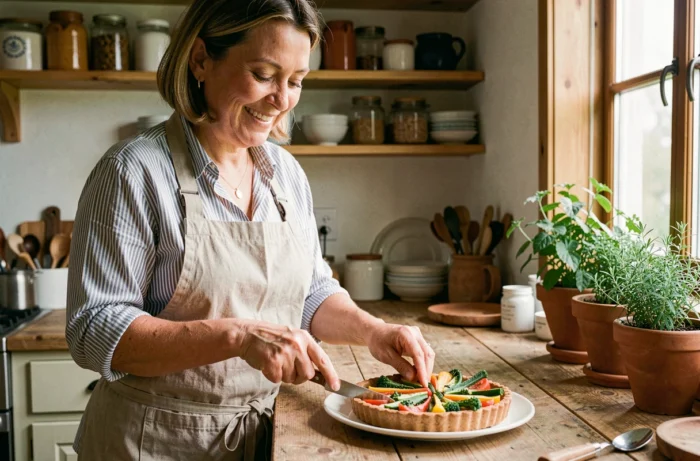
A plate of pasta that seems bland, a sauté of vegetables without flair, a leftover of rice that ends up in the trash. These situations occur every week in most households. The good news is that elevating your daily cooking doesn’t necessarily require new purchases. A few precise gestures, a bit of attention to finishing touches, and a different approach to leftovers are enough to transform an ordinary meal into a gourmet plate.
Finishing techniques that change the taste of a dish
Have you ever noticed that a dish prepared exactly as usual can taste different from one day to the next? The reason often lies in one detail: the finishing. This term refers to everything you add or do in the last seconds before serving.
The most underestimated gesture is adding fat at the very end of cooking. A small piece of cold butter incorporated off the heat into a sauce or meat juice brings immediate shine and roundness on the palate. Chefs call this “mounting with butter.” A drizzle of olive oil poured over roasted vegetables just before serving produces the same effect.
Acidity plays a similar role. A few drops of lemon juice or a spoonful of vinegar in a soup, stew, or even a puree awaken the entire dish. It’s not the acidic taste you’re looking for, but the contrast that makes the other flavors sharper.
For those who want to discover cooking on Gourmandises et Bavardages, these finishing gestures are an excellent starting point for improving without investing in additional equipment.
The last reflex to adopt: taste and adjust seasoning just before serving. Many amateur cooks salt at the beginning of cooking and then check nothing else. Salt, acidity, and fat should be adjusted at every stage, especially at the very end.
Cooking leftovers to reduce food waste
Anti-waste is not just talk. It’s a direct lever for better eating, as it forces you to look at what you really have in the refrigerator before thinking of recipes.
Transform rather than reheat
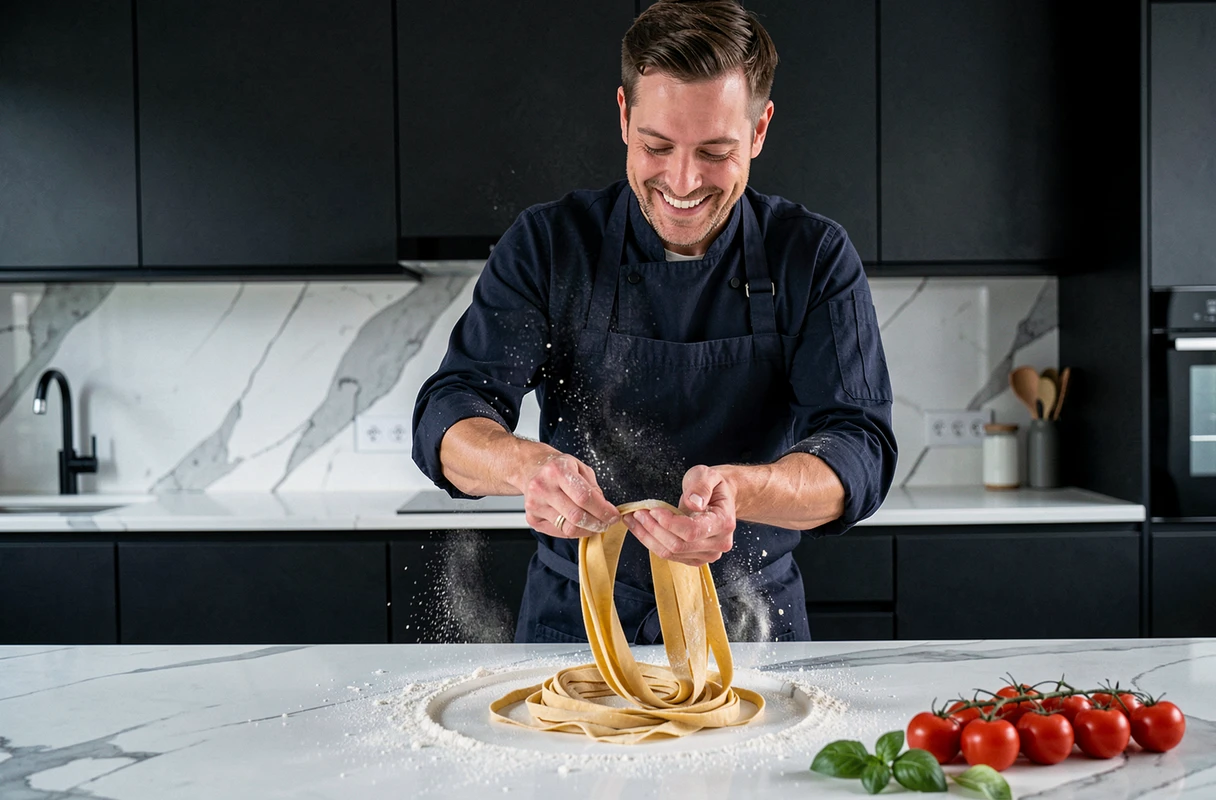
Reheated rice in the microwave is sad. The same rice sautéed in a very hot pan with an egg, a splash of soy sauce, and some forgotten vegetables in the drawer becomes a complete meal. Transforming a leftover involves a change of texture: frying what was boiled, gratin what was saucy, blending what was in pieces.
Stale bread illustrates this principle well. Soaked in a mixture of egg and milk and then pan-fried, it becomes a delicious French toast. Blended into breadcrumbs, it serves as homemade breading for cutlets or vegetables.
Recovering what we usually throw away
Strawberry tops, carrot greens, parsley stems, parmesan rinds: these elements still contain a lot of flavor. Strawberry tops infused in hot water with sugar yield a flavored syrup. A parmesan rind plunged into broth or soup enriches the taste at no extra cost.
- Radish or carrot greens can be transformed into pesto by blending them with oil, a bit of garlic, and seeds
- Vegetable peels (carrots, leeks, onions) can simmer in water to produce homemade broth
- An avocado too ripe to be eaten in a salad becomes a base for creamy sauce for pasta
Spices and homemade sauces to vary flavors without a budget
Buying a new jar of spices isn’t always necessary. Most pantries already contain turmeric, cumin, paprika, or chili without these spices being used to their full potential.
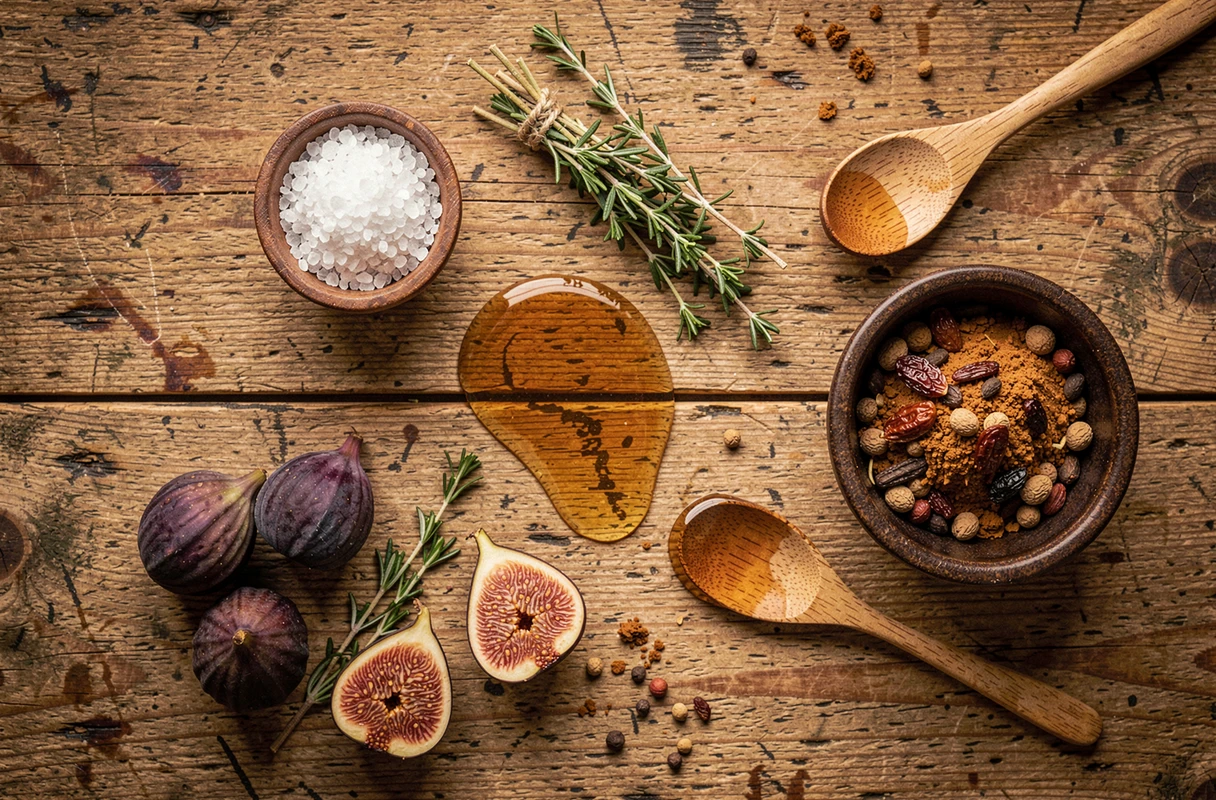
Why this underutilization? Because powdered spices are often added at the end of cooking, while they release much more aroma when briefly heated in fat at the beginning of the recipe. Sauté a spoonful of turmeric and cumin in a bit of oil before adding your vegetables: the difference is clear.
On the sauce side, a well-balanced vinaigrette transforms any bland salad into an appetizing dish. The base remains the same (one part acid to three parts fat), but you can add mustard, a splash of honey, fresh herbs, or even a leftover cooking juice.
- A plain yogurt mixed with crushed garlic, lemon juice, and herbs replaces an industrial sauce on grilled meats or roasted vegetables
- A leftover jar of mustard rinsed with a splash of vinegar and oil gives an express vinaigrette without wasting the container
- The cooking juice from a roasted chicken, deglazed with a bit of water or wine, makes a very tasty natural sauce
Textures and plating to make an everyday dish more appetizing
The eye eats before the mouth. This is not a hollow phrase: a dish that presents several visible textures immediately looks more appealing.
Adding a crunchy element to a soft dish changes the entire perception. Toasted sesame or sunflower seeds in a dry pan for two minutes, then sprinkled over a soup or puree, create a simple and effective contrast. Fried onions, homemade croutons, or even vegetable chips serve the same purpose.
Plating doesn’t require artistic skills. Three principles are enough: don’t mix everything on the plate, leave some empty space on the edges, and add a contrasting color element (fresh herbs, zest, seeds). A puree served in a dome with a few parsley leaves and a drizzle of oil is more appetizing than the same puree spread flat.
These gestures take less than a minute. They require no special ingredients. Yet, they change the experience of the daily meal because they show intention. Cooking better doesn’t mean cooking longer or spending more, but paying attention to the last seconds before the plate arrives on the table.