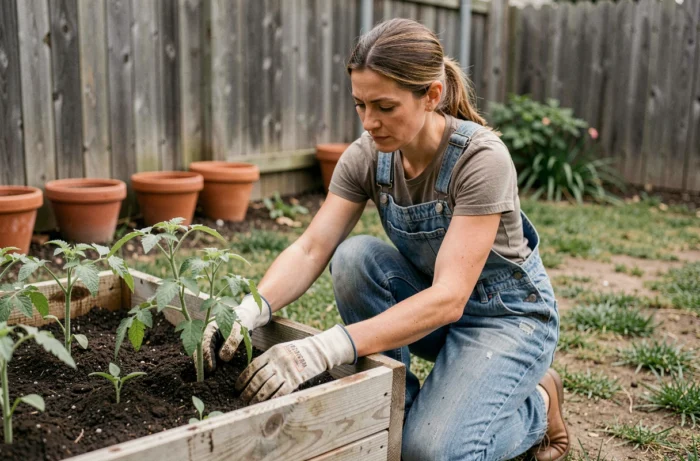
Clay soil that sticks to boots in March, a heatwave that scorches tomatoes in August, a late frost that destroys April seedlings: each season imposes its constraints, and the garden is cultivated month by month on the ground. Successfully managing your garden year-round is primarily about anticipating these concrete situations rather than reacting in urgency.
Water restrictions and garden watering: what has changed since 2024
Before discussing watering techniques, we must address regulations. Prefectural drought orders now tightly regulate the hours and uses of water in the garden. Total watering ban during the day, nighttime slots mandated for vegetable gardens, lawns excluded from permitted watering: the rules vary from one department to another and change throughout the season.
Failure to comply with these restrictions can result in a 5th class fine, up to 1,500 euros, doubled in case of repeat offenses. We are no longer talking about simple common sense advice, but a legal constraint that redefines how to plan watering schedules.
A national decree published on July 12, 2024, expands the possibilities for rainwater harvesting for outdoor uses. Collection is now permitted on so-called “inaccessible” surfaces (such as parking canopies), and not just on traditional rooftops. However, this water remains strictly prohibited for drinking or personal hygiene. To delve deeper into these topics and adapt practices, Jardiner Facile’s gardening tips help to align seasonal actions with local constraints.
Preparing the soil before spring planting
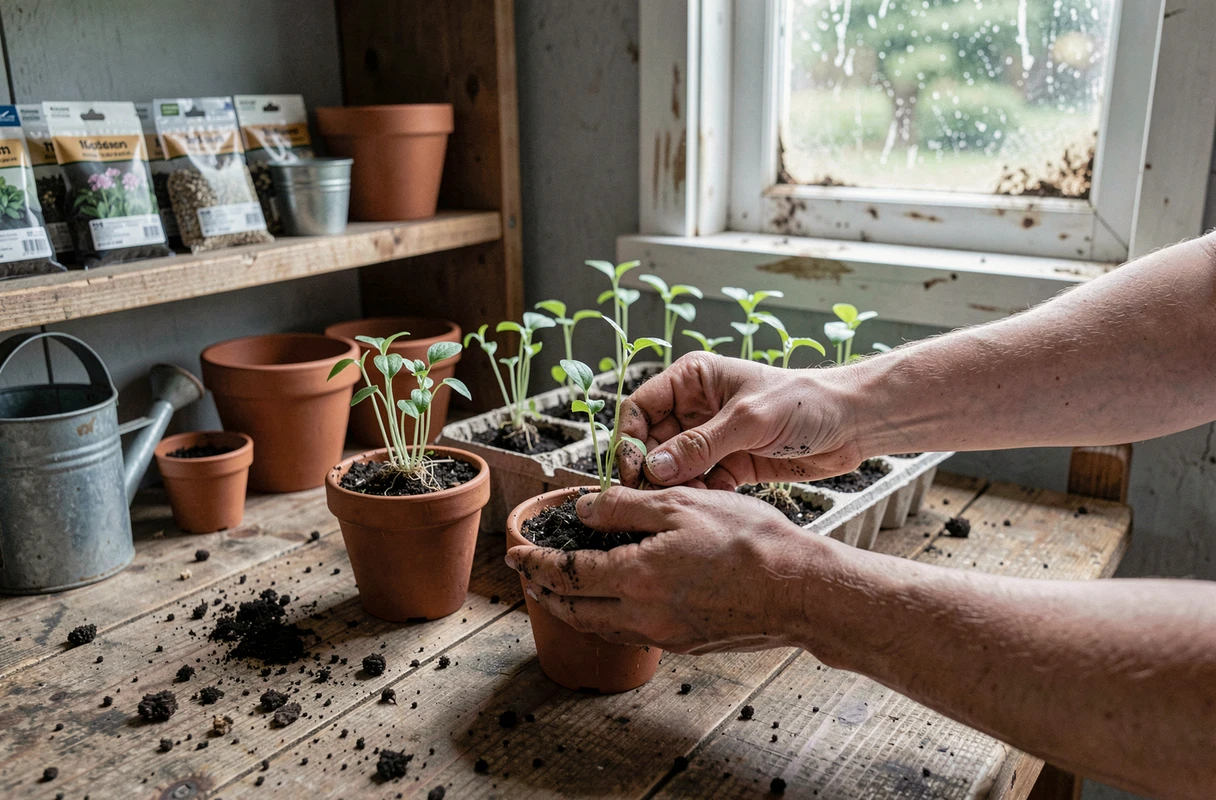
We often see gardeners sowing as soon as the first mild days arrive, even though the soil hasn’t been worked since autumn. The result: seeds stagnate in compacted soil, leading to low germination rates and weak plants.
Aerating the soil without turning it over yields better results than deep digging. A broadfork or a garden fork is sufficient to loosen the top few centimeters without destroying the microbial life of the soil. We intervene when the soil is neither waterlogged nor dry: it should crumble between your fingers.
Mulching as a starting point
Mulching before planting may seem counterintuitive, but an organic mulch laid at the end of winter protects the soil structure against heavy rains in March. It decomposes slowly and nourishes the top few centimeters of soil just when the plants need it.
- Wheat or flax straw: a few centimeters thick, ideal for vegetable rows as it decomposes in one season
- Wood chip mulch (BRF): slower to degrade, suitable for shrub bases and perennial beds
- Dried grass clippings: free and rich in nitrogen, but should be spread in a thin layer to avoid fermentation
The choice of mulch depends on the type of crop. Opinions vary on this point, especially for tomatoes: some gardeners find that fresh BRF causes a temporary nitrogen deficiency, while others observe no negative effects.
Productive vegetable garden in summer: managing heat without wasting water
Summer concentrates two simultaneous problems: vegetables have their peak water needs, and restrictions limit watering windows. Watering at the base, never on the foliage, and always in the evening reduces evaporation and the risk of fungal diseases.
A drip irrigation system with a timer set to the time slots authorized by the prefecture solves most of the problem. It can be paired with a rainwater harvesting tank for greater autonomy.
Crop associations to limit water stress
Planting leafy vegetables (lettuces, spinach) in the shade of tomato or climbing bean rows creates a cooler microclimate at soil level. This technique reduces evaporation and extends the harvest period for salads, which bolt much faster in full sun.
Ground-cover squashes planted between corn rows play a similar role: their large leaves retain moisture and suppress weed growth. This is the principle of the “three sisters” (corn, bean, squash), which works well in south-facing vegetable gardens.
Garden maintenance in autumn and winter protection for plants
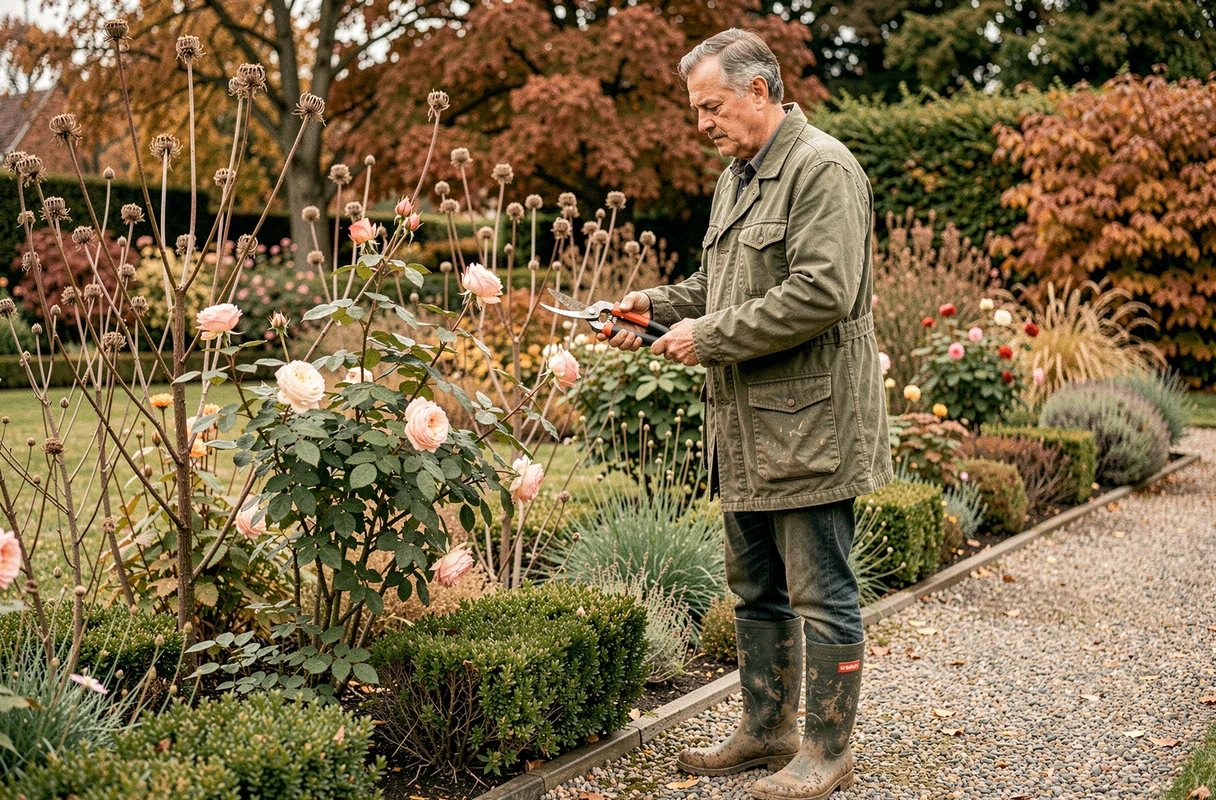
Autumn is the most productive season in terms of preparation, yet it is the most neglected. It is between October and November that the foundations for the next year’s garden are laid.
- Plant spring bulbs (tulips, daffodils, crocuses) before the first frosts, burying them at a depth equivalent to two or three times their height
- Divide overgrown perennials: asters, daylilies, hostas recover better when divided in autumn rather than spring
- Sow green manures (mustard, phacelia, clover) on the plots freed up from the vegetable garden to protect bare soil and fix atmospheric nitrogen
- Collect non-diseased fallen leaves to create a leaf compost, ready to use after a year
Protecting without suffocating
Winter covers protect plants sensitive to frost, but too tight or prematurely applied covers promote rot. We wait for the first announcements of sustained frost before wrapping potted citrus or oleanders. The cover should remain airy, never pressed directly against the foliage.
For shrubs in the ground, a thick layer of mulch at the base (dead leaves, straw) is sufficient in most regions. Heavy protections (plastic covers) create condensation and cause more harm than they protect.
A garden that survives winter well is one where every autumn action prepares for the next season. Bulb plantings will yield the first flowers in February, green manures will have enriched the soil before March sowings, and leaf compost will be ready to mulch the tomatoes in June. The cycle works when we stop thinking season by season and start reasoning in a continuous loop.